


What Does the Future Hold for Conversational AI in Personalized Marketing?
- Conversational AI is personalizing marketing strategies by offering tailored customer interactions.
- Artificial intelligence enhances customer experience through seamless and efficient communication channels.
- AI-driven chatbots provide 24/7 customer support with rapid response times and detailed interactions.
- Analyzing customer data, AI helps marketers create customized and targeted advertising campaigns.
- Voice-activated assistants are redefining how brands connect with consumers in personalized marketing.
Evolution of Conversational AI in Marketing

Conversational AI has come a long way since its inception, growing into a vital component in marketing strategies worldwide. By carefully studying its evolution, we can better understand its capabilities and future potential.
Historical Context and Early Examples
The journey of conversational AI in marketing began with simple chatbots that could handle basic customer inquiries. Initially, these AI systems were rudimentary, often relying on scripted responses to pre-defined keywords. Despite their limitations, these early chatbots provided an introduction to automated customer interaction, allowing businesses to explore new ways to engage with their audience.
As technology advanced, so did the sophistication of conversational AI. From early rule-based systems, AI evolved to understand natural language, allowing for more dynamic and personalized interactions. Furthermore, companies like Amazon and Apple began pioneering efforts by introducing AI-enabled voice assistants, which marked a significant leap forward for conversational AI in marketing.
Technological Advancements and Innovations
The rapid advancement in AI technologies has redefined the possibilities within personalized marketing. Nonetheless, machine learning and natural language processing have enabled conversational AI to engage in complex conversations, learning from each interaction to improve over time. This evolution has led to the creation of chatbots that not only understand customer queries but also predict user needs, offering personalized recommendations.
Furthermore, AI innovations have introduced multilingual capabilities, expanding the reach of businesses globally. With more users interacting with brands through digital channels, conversational AI continues to improve its ability to serve diverse customer bases effectively, allowing companies to gather valuable insights and enhance their marketing strategies.
Current State and Mainstream Adoption
Today, conversational AI has become an indispensable tool for businesses looking to enhance customer experiences. With widespread acceptance, it’s now commonplace to find AI-powered chatbots on websites and messaging apps, providing instant support and information. Mainstream adoption has been fueled by the technology’s ability to offer quick, personalized service, which resonates with the fast-paced lifestyles of modern consumers.
As conversational AI technologies continue to advance, businesses are adopting these tools not only for customer service but also for lead generation, personalized marketing campaigns, and even automating repetitive tasks. The result is a more efficient customer journey and a more personalized interaction with brands.
Transformative Impact on Personalized Marketing
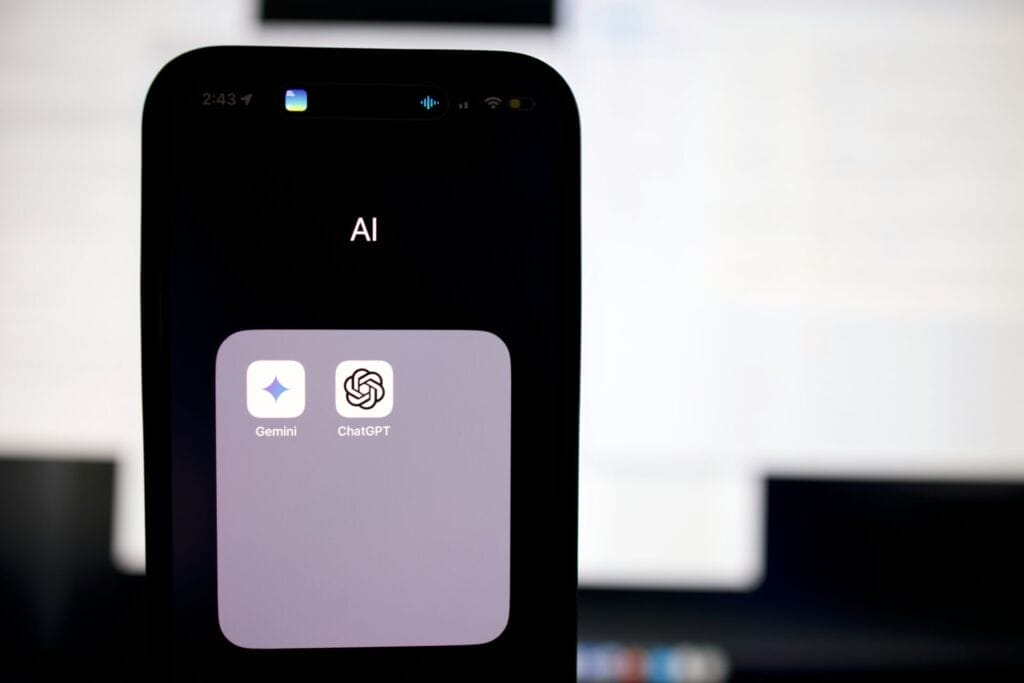
Conversational AI is revolutionizing personalized marketing by creating seamless, individualized customer experiences.
Enhancing Customer Interactions with Chatbots
Conversational AI chatbots have become the frontline representatives for many brands, enhancing customer interactions by providing 24/7 support. These chatbots are tasked with understanding customer needs, answering queries, and guiding them through the purchasing process. With capabilities like product recommendations and order tracking, chatbots ensure a tailored and engaging customer experience.
Virtual Assistants and Real-Time Customer Support
The advent of virtual assistants takes customer interaction to the next level. Unlike traditional customer support systems, virtual assistants offer real-time assistance, adapting to customer preferences and history. With conversational AI, virtual assistants can seamlessly integrate with other systems, providing cohesive support across various platforms and ensuring customers have access to information whenever needed.
Building Stronger Customer Relationships
By leveraging conversational AI, businesses can build better and stronger relationships with their customers. These AI systems facilitate ongoing dialogue that helps brands understand their audience at a deeper level.
Through personalized communication, conversational AI encourages customer loyalty by anticipating needs and offering precisely what each individual desires. As brands leverage this technology, they’re better equipped to foster trust and satisfaction, ensuring that customers feel valued and understood throughout their journey.
Future Trends in Conversational AI

As we look to the future, conversational AI is set to revolutionize personalized marketing in more ways than one. The trends emerging from this technological advancement are truly exciting, offering endless possibilities for businesses seeking to enhance customer engagement.
Integration with Other Emerging Technologies
Conversational AI is not evolving in isolation. It’s increasingly being integrated with other cutting-edge technologies to create even more impactful marketing strategies. For example, combining conversational AI with the Internet of Things (IoT) allows devices to communicate seamlessly, enhancing user experiences and personalizing interactions based on real-time data. Additionally, the integration with augmented reality (AR) can provide customers with an immersive experience, making marketing campaigns far more engaging and interactive.
Predictive Analytics and Customer Insights
One of the standout features of conversational AI in the future is its ability to harness predictive analytics. By analyzing vast amounts of data, conversational AI tools can offer businesses unprecedented customer insights. This capability enables brands to anticipate consumer needs and preferences, allowing them to tailor their marketing efforts more effectively. Imagine a chatbot that not only addresses immediate inquiries but also predicts and suggests products a customer might be interested in based on their previous interactions and browsing history.
Increased Personalization and Customization
It opens up a world of possibilities for personalization and customization. However, future advancements will allow businesses to tailor individual customer journeys with an unparalleled level of precision. From customizing the tone and style of interactions to suggesting tailored solutions and products, the personalization capabilities of conversational AI will be a game-changer for marketers aiming to build stronger relationships with their audience.
Challenges and Considerations
While the future of conversational AI in personalized marketing looks promising, it’s not without its hurdles. Businesses must navigate these challenges carefully to leverage this technology effectively.
Privacy and Ethical Concerns
A significant concern in the widespread adoption of conversational AI is privacy. As these systems often deal with sensitive customer data, companies must prioritize data protection and ethical usage. Nevertheless, ensuring that conversational AI adheres to privacy regulations and maintains transparency with users about how their data is being utilized is paramount. It’s crucial for businesses to build trust by showing they care about customer privacy and data security.
Technical Limitations and Solutions
Despite the advanced capabilities of conversational AI, there are still technical limitations to consider. Complex queries and nuanced human emotions can sometimes stump these systems. However, ongoing improvements in AI algorithms and machine learning models are gradually overcoming these challenges. Implementing hybrid models that allow AI to hand over to human agents when needed can also address these limitations effectively.
Balancing Automation with Human Touch
While automation is a key advantage of conversational AI, maintaining a personal touch remains essential in marketing. Over-reliance on AI can lead to a loss of human connection, which many customers still value. Businesses should strive for a balanced approach where conversational AI serves as a tool to enhance, rather than replace, human interaction. This balance ensures that human touch remains a core component of customer service, making interactions more meaningful and authentic.
By addressing these challenges, businesses can fully harness the power of conversational AI to create more personalized and effective marketing strategies.
Conclusion
Conversational AI is undeniably changing the landscape of personalized marketing. Brands are finding innovative ways to engage with customers like never before. As AI technology continues to evolve, it will become even more integrated into marketing strategies, allowing businesses to forge deeper connections with their audiences.
– Enhanced customer interactions: AI-driven chatbots and virtual assistants will provide tailored recommendations and support.
– Greater efficiency: Automation will streamline marketing processes, focusing more on strategic activities.
In the future, embracing conversational AI will be essential for businesses that aim to stay competitive and meet the growing expectations of personalized customer experiences. As technology advances, we’ll see even more exciting developments, bridging the gap between brands and their valued customers.