


What Makes NLP and Deep Learning Crucial for AI Chatbots?
- Natural Language Processing helps chatbots understand and process human language effectively, enabling them to translate user queries into actionable responses.
- Deep learning algorithms enable AI chatbots to learn from massive amounts of data.
- Chatbots use NLP and deep learning to have more natural and engaging conversations. It is similar to how ChatGPT from OpenAI interacts with users.
- Improving customer service experiences by personalizing interactions with AI chatbots like Openai ChatGPT is crucial.
- Continuous advancement in NLP and deep learning leads to smarter, more autonomous chatbots.
Understanding NLP and Deep Learning in AI Chatbots
In the fascinating world of chat AI, two key technologies stand out: Natural Language Processing (NLP) and deep learning. These AI chat technologies are essential in creating intelligent chatbots that understand and interact with users in a human-like manner. However, grasping how these technologies work can be quite complex. Moreover, they form the backbone of any sophisticated AI chatbot. It enables them to comprehend and generate human language in meaningful ways, much like a generator of human-like text. Furthermore, the integration of NLP and deep learning makes chatbots not just reactive but also proactive in their interactions.
Definition and Importance of NLP
Natural Language Processing, or NLP as it’s commonly known, plays a vital role in the development of chat AI. At its core, NLP is a field. Moreover, the integration of AI chat technology into various applications has transformed how we interact with machines. that focuses on the interaction between computers and humans through natural language. However, don’t let the technical jargon scare you off.
Essentially, NLP allows chatbots to interpret and make sense of human language, which is crucial for any meaningful interaction. Moreover, it empowers chatbots to understand context, detect emotions, and even identify nuances in a conversation, enhancing their ability to summarize interactions. This ability is not just beneficial but imperative when aiming to deliver a more personalized and effective user experience.
Key Concepts of Deep Learning Relevant to Chatbots
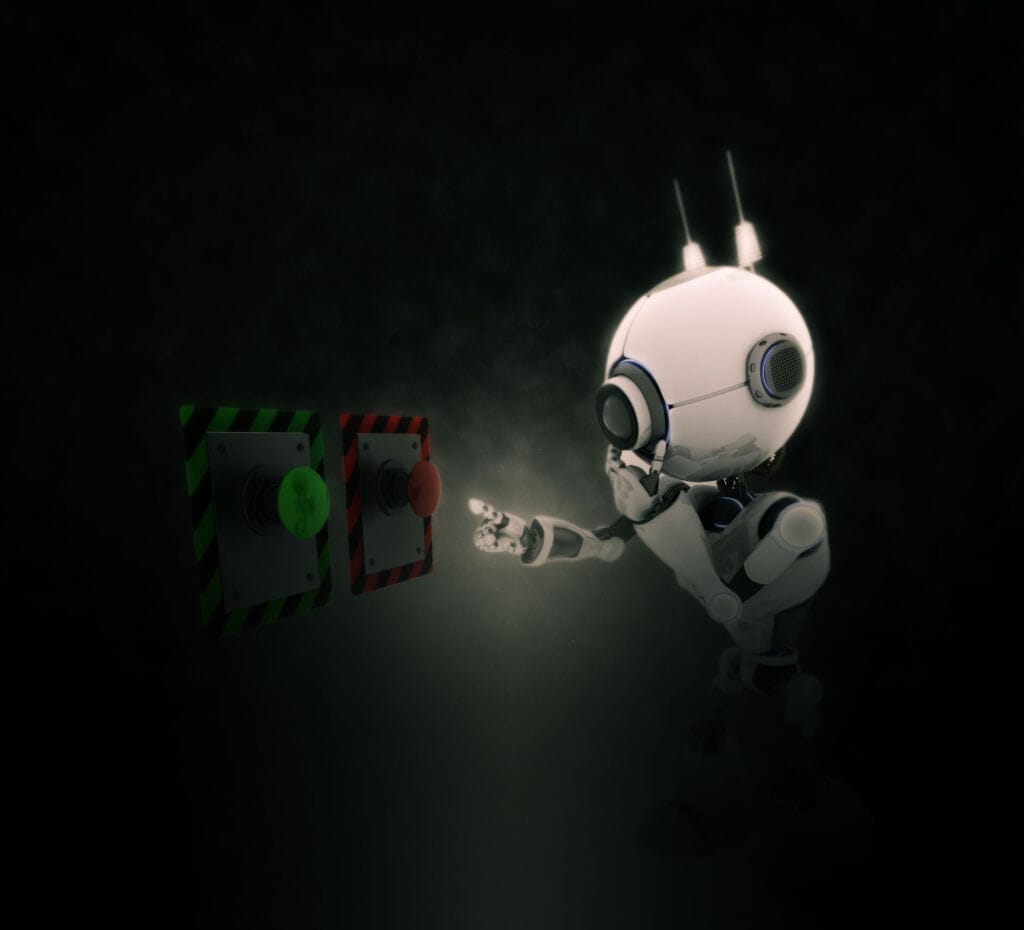
Deep learning, a subset of machine learning, involves training artificial neural networks with large amounts of data. In the context of chatbots, there are several deep learning concepts worth mentioning:
– Neural Networks: These are computing systems inspired by the human brain that help OpenAI chatbots. This includes AI chat bots, recognize patterns in language data.
– Training Data: Massive datasets are used to teach chatbots how to understand and generate human-like text.
– Reinforcement Learning: This technique allows gpt-4 chatbots to learn from their interactions, refining and improving their responses over time.
Deep learning is the powerhouse behind many advanced gpt-4 chatbots, enabling them to continually evolve and improve their conversational abilities.
How NLP Enhances Chatbot Communication
NLP significantly boosts the communication capabilities of chat AI. It’s not just about understanding what a user is saying; it’s about grasping the underlying intent and context to make meaningful conversations, which is crucial for a successful chatbot programme. However, without NLP, chatbots would struggle to go beyond predefined responses, which are often rigid and limited. Moreover, by employing NLP, chatbots become adept at picking up the subtleties and intricacies of human language—be it sarcasm, sentiment, or intent, overcoming the limitations of traditional scripted responses. Furthermore, this leads to a more fluid and natural user experience, where interactions do not feel forced or mechanical.
Natural Language Understanding (NLU)
One of the subfields of NLP most relevant to gpt-4o chatbots is Natural Language Understanding (NLU). NLU is all about comprehension. It focuses on enabling chatbots to grasp the meaning behind a user’s words, taking into account the context and intricacies involved. This means going beyond just the literal words themselves and understanding what the user truly wants or needs. For instance, if a user asks, “Can you recommend a good movie?”, an AI chatbot with strong NLU capabilities can understand that the user is seeking a suggestion and tailor its response accordingly, taking into account past interactions and preferences if available.
Text Generation and Response Formulation
NLP doesn’t stop at understanding; it also involves generating appropriate responses, a process known as text generation. In the realm of chat AI, text generation is a crucial step. After all, a chatbot can comprehend the user perfectly, but without coherent response formulation, the communication falls flat. However, with advanced language model techniques, chatbots can craft replies that are not only grammatically correct but also contextually appropriate.
Moreover, they can adjust their tone to fit the conversation, whether it’s professional for a customer service scenario or casual for a more relaxed AI chat. Furthermore, through continual learning and interaction, chatbots refine their response algorithms to enhance their conversational prowess, much like ChatGPT, deepseek, an AI writer, does. This makes every interaction richer and more satisfying for the user, bringing us closer to a future where chatting with artificial intelligence feels as natural and engaging as talking to another human being.
The Role of Deep Learning in Advancing OpenAI ChatGPT Chatbot Capabilities
Chatbot assistant has come a long way, and much of their revolutionary abilities are thanks to deep learning. This technology empowers chat AI to not only respond to users more naturally but also understand and predict their needs more accurately. However, what’s interesting is how deep learning differentiates modern chatbots from their predecessors, making them more adaptable and capable of handling inappropriate queries.
Deep Neural Networks and Their Application
Deep neural networks are at the heart of what we see in today’s chat AI systems. These networks mimic the human brain’s ability to learn from vast amounts of data, which is crucial for improving chatbot capabilities. Moreover, by processing complex layers of information, these networks enable chatbots to understand context and nuances in human language better. Furthermore, with advanced algorithms, they can deliver not just pre-programmed responses but tailored interactions based on the conversation’s flow, acting as a prompt for deeper engagement with larger AI models.
Machine Learning Models for Predictive Analysis
Alongside deep neural networks, machine learning models play a pivotal role in the predictive analysis within chat AI. These models analyze user inputs to predict and offer more accurate responses, providing a seamless chatting experience. For instance, if a user continually asks a chatbot about weather forecasts, the system can learn this preference and prioritize weather-related information in future interactions. Additionally, machine learning models can assist in recognizing patterns, trends, and user emotions, enhancing a chatbot’s ability to understand user needs before they’re explicitly stated.
Real-time Learning and Adaptation
A significant advantage of chat AI is its ability to learn and adapt in real-time. This dynamic capability allows chatbots to refine their interactions without needing constant human intervention. Throughout conversations, chatbots can adjust their tone, style, and even content based on real-time feedback from users, prompting a more personalized interaction. Moreover, this adaptability ensures that the AI chat remains relevant and useful across various contexts, acting as a subscription service that evolves with user needs. Furthermore, as these chat AIs evolve, they can offer more personalized and engaging experiences that feel less robotic and more like conversing with a human.
Case Studies: Successful Implementation of AI Chatbots
Examining real-world applications of chat AI provides valuable insights into its effectiveness and versatility. Various industries have adopted AI chatbots to enhance their operations, improve customer satisfaction, and streamline processes.
Examples from Customer Service Industries
Customer service has witnessed a notable improvement with the introduction of AI chat technologies. transformation with the integration of AI chatbots. Retailers, banks, and telecom companies use chatbots to handle routine inquiries, thus freeing up human agents for more complex issues. For example, a telecommunications company might implement a chatbot to address common issues like service outages or billing questions, providing users with a seamless login experience for support. This frees staff to handle more critical tasks. Moreover, customers benefit from faster resolutions and 24/7 support. Furthermore, chatbots in this industry can route queries to the right department based on initial user input, streamlining the support process.
Educational and Training Applications
The educational sector has also embraced chat AI, utilizing its potential to revolutionize learning experiences. Chatbots can act as virtual tutors, providing students with on-demand help and feedback on various subjects. Moreover, institutions use chatbots to guide students through administrative processes, making tasks like registration and resource access much smoother. Furthermore, in corporate training environments, AI chat can facilitate learning by offering personalized feedback and real-time support during training modules. These applications not only enhance educational experiences but also prepare students and employees for future learning with cutting-edge technology, including AI models that can translate complex concepts into layman’s terms.
In summary, the capabilities of chat AI driven by NLP and deep learning demonstrate promising advancements across multiple sectors, indicating a future where interacting with technologies is as natural as speaking with a knowledgeable friend.
Conclusion
In the world of high-tech innovation, chat AI is revolutionizing the way we communicate with machines. These AI chatbots, powered by the dynamic duo of NLP and deep learning, are continuously evolving to offer more personalized, efficient, and engaging interactions. Furthermore, they are breaking barriers, allowing anyone to experience the magic of chatting with artificial intelligence, free to use for various applications.
However, as these technologies advance, they also bring new opportunities and challenges. Navigating this landscape means embracing the potential of AI chatbots like ChatGPT to improve user experiences while also staying mindful of ethical considerations and privacy concerns. Ultimately, the future of chat AI is bright, promising exciting adventures in communication and beyond!