


How Has the Evolution of Chatbots Transformed Over Time?
- Transition from Primitive Rule-Based Chatbots to Complex Artificial Intelligence Conversational Agents
- Significant Milestones and Technological Advancements in AI Chatbot Development Over the Years
- Impact of Natural Language Processing on the Enhanced Capabilities of Modern Chatbots
- Key Industries Experiencing Transformation Due to Innovative AI Chatbot Integration
- Future Trends and Emerging Technologies Shaping the Next Generation of AI Chatbots
Introduction
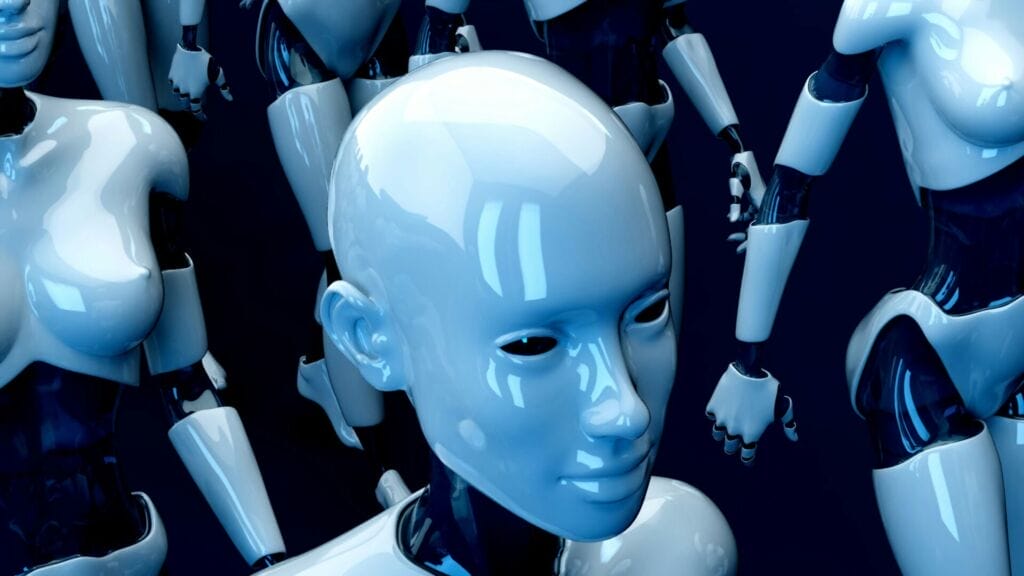
Artificial Intelligence Chatbots have become an integral part of our digital interactions today. They assist us in a myriad of ways, from customer service and online shopping to personal assistance. Moreover, these chatbots have evolved tremendously over the years, moving far beyond their original capabilities. Initially, they were simple programs that followed a set of pre-defined rules. However, they have grown into sophisticated systems that can understand, learn from interactions, and provide responses that mimic human conversation. This blog explores how Artificial Intelligence Chatbots have developed from their humble beginnings to the advanced conversational tools we use now.
The Early Days of Chatbots
Furthermore, artificial Intelligence Chatbots have a fascinating history that dates back to the mid-20th century. These early versions served as the foundation for the sophisticated AI systems we have today. Nonetheless, understanding their evolution helps us appreciate the technological advancements in chatbot development.
Rule-Based Systems: The Origins
The journey of Artificial Intelligence Chatbots began with rule-based systems. Nevertheless, these early chatbots operated under strict sets of rules defined by their programmers. They worked by matching user input to a series of pre-programmed responses. ELIZA, one of the first chatbots created in the 1960s, is a prime example. Furthermore, developed by Joseph Weizenbaum, ELIZA simulated a psychotherapist by reflecting users’ statements back at them as questions, creating the illusion of a conversation. This method used pattern matching and replacement, allowing ELIZA to provide seemingly relevant responses without understanding the input.
These early chatbots were groundbreaking for their time. Moreover, they showcased the potential of computer programs to engage in conversation-like interactions with humans. However, their simplicity also limited their effectiveness. The extent of their capabilities was directly linked to the complexity and comprehensiveness of their rule sets.
Limitations of Early Chatbots
Despite being revolutionary, early chatbots, including those powered by rule-based systems, had notable limitations. One of the most significant challenges was their inability to understand context or learn from interactions. They could only handle very specific inputs and often struggled when users deviated from the expected script. This rigidity led to repetitive and sometimes irrelevant responses, which frustrated users seeking more meaningful interaction.
Additionally, early chatbots lacked the capacity to process natural language with depth. They could not recognize synonyms, understand colloquialisms, or interpret language nuances. Moreover, this limitation made it difficult for chatbots to provide accurate or satisfying answers to complex queries.
Another prominent limitation was scalability. To handle a broader range of queries, the rule-based systems required extensive programming, which was time-consuming and inefficient. As a result, these early Artificial Intelligence Chatbots were predominantly used in controlled environments where topics were predictable and interactions could be easily scripted.
The early days of chatbots set the stage for the extensive advancements we see today. As technology progressed, addressing these limitations became a priority, leading to the development of more intelligent and adaptable conversational AI.
Technological Breakthroughs

The journey of Artificial Intelligence Chatbots has been marked by numerous technological breakthroughs, transforming them from basic rule-based systems into sophisticated conversational agents. These advancements have primarily been driven by innovations in machine learning, natural language processing, and enhanced computing power.
Advancements in Machine Learning
The evolution of Artificial Intelligence Chatbots has been significantly influenced by advancements in machine learning. Early chatbots relied heavily on predefined scripts and simple decision trees, which limited their ability to handle complex interactions. Today, machine learning algorithms enable chatbots to learn from vast amounts of data, improving their capabilities and understanding over time. This learning process allows chatbots to recognize patterns, refine responses, and even predict user needs, resulting in more natural and engaging conversations.
The Role of Natural Language Processing
Natural language processing (NLP) is at the heart of any chatbot, allowing it to understand and generate human-like text. NLP technology has advanced considerably, enabling chatbots to interpret context, sentiment, and intent with greater accuracy. This progress has facilitated the transition from simple to conversational dialogues, where chatbots can better understand nuances in language and deliver appropriate responses. As a result, users experience interactions that more closely resemble conversations with human agents.
Increased Computing Power
Another critical factor in the development of Artificial Intelligence Chatbots is the growth in computing power. Powerful processors and cloud computing solutions have made it possible to process and analyze large datasets at incredible speeds. This enhanced computational capacity allows chatbots to utilize more complex algorithms and deeper neural networks without compromising performance. Consequently, chatbots can respond more quickly and accurately, fostering seamless user interactions that meet the increasing expectations of modern consumers.
Modern Conversational AI
Today’s Artificial Intelligence Chatbots harness modern conversational AI to enhance user engagement and improve service delivery. By integrating sophisticated technologies and leveraging comprehensive datasets, these chatbots have become essential tools across various sectors, from customer service to healthcare.
Integration of Neural Networks
Modern chatbots often use neural networks to improve their conversational abilities. These networks mimic human brain function, enabling chatbots to understand language structure and execute tasks more fluidly. With deep learning techniques, chatbots can better process complex language inputs and deliver coherent and contextually relevant responses. Moreover, this integration ensures that chatbots evolve in understanding and adaptability, offering more personalized user experiences.
Real-World Applications and Use Cases
Artificial Intelligence Chatbots are being deployed in numerous real-world scenarios, demonstrating their versatility and effectiveness. They assist in customer support by providing instant responses to inquiries, facilitating purchases, and solving problems. In the healthcare industry, chatbots offer preliminary health consultations, schedule appointments, and provide medication reminders. Furthermore, finance and banking sectors utilize chatbots for handling transactions, offering financial advice, and fraud detection. Across these domains, chatbots not only streamline processes but also significantly enhance user satisfaction.
Improving User Experience
The ultimate goal of Artificial Intelligence Chatbots is to enhance user experience. With improvements in understanding user intentions and preferences, chatbots now provide more agreeable and reliable interactions. Features such as voice recognition, personalized suggestions, and real-time assistance contribute to creating a seamless user journey. By continuously learning and adapting, chatbots ensure that each user engagement is more intuitive and satisfying than the last, solidifying their role as indispensable tools in the digital landscape.
The Future of AI Chatbots
Artificial Intelligence Chatbots are poised to become even more integrated into our daily lives as advancements in technology continue to unfold. We can expect future chatbots to possess enhanced language understanding capabilities, making interactions even smoother and more intuitive. They will likely evolve to not only understand context better but also to interpret emotional cues, allowing for more empathetic engagement.
– Increased Personalization: Future chatbots will offer tailored experiences by leveraging user data to anticipate needs and preferences.
– Cross-Platform Integration: Chatbots will seamlessly operate across different devices and platforms, providing a cohesive user experience.
– Industry-Specific Applications: We will see more specialized chatbots designed for specific industries, offering customized solutions.
These advancements will drive efficiency and redefine user engagement, making tasks more straightforward and personalized than ever before. As technology progresses, Artificial Intelligence Chatbots will continue to revolutionize the way we interact with our digital world.