


How are AI workflows transforming the creative industries, specifically in enhancing art, design, and media production?
- AI workflows improve creativity by providing beneficial kits for automating various conventional procedures.
- In design, the AI workflow algorithms can analyze trends and the necessary data.
- Media production witnesses dramatic enhancement in the editing process and better personalization of the content using AI workflows.
- Among its pros and cons, the first concern is the development costs and the process of implementing AI systems into the pre-existing paradigms.
- Several forms of resistance from culture and skills of creative industries. They refuse to shift to technology instead of traditional techniques.
AI Workflows for Creative Industries

When integrated into artistic practice artificial intelligence (AI) is transforming the entire creative industries and media content production. Cognitive techniques that involve the incorporation of AI workflows into the artistic and design processes are improving ideation. Moreover, creative art, design, and media industries also enhance their efficiency.
AI workflows range from the creation of ideas to the final distribution of products. This helps innovators redefine the industry while reducing the time it takes to complete various repetitive activities. When looking into the changes those AI workflows bring to industries, it establishes how technology is not only for optimization.
However, people also consider technology a partner in the ideation and execution of innovation and new possibilities.
The Role of AI in Art, Design, and Media Production
Improving Workflow Efficacy
What concerns art, design, and media, intricacy and functionality equally matter because it is all about efficacy. Introducing AI workflow to start segregating this process so that they take a lesser amount of time from conception to completion of a project. Thus, digital assistants for artists can coordinate calendars and perform maintenance work such as filing which consumes time.
AI workflows assist designers by providing the possibility of automatic layout and integrated color schemes to save time. In media production, AI’s biggest effect is easy to recognize in the editing systems. Whereas AI-based applications can cut scenes, adjust volume levels, and even propose changes. Thus, people accomplish these tasks significantly faster compared to manual intervention.
Inventive Tools and Techniques
AI workflows aren’t only about making the existing tasks done well in less time. However, it is also about implementing new tasks that have not been possible before in creative industries. In art, brands are using AI-integrated tools to develop precise patterns and kinds of artistic textures. Painting these tasks manually is quite inconceivable.
In the case of designers, AI workflows have introduced new ideas in designs that the users prefer. This leads to new ideas in designs that are quite innovative most of the time.
In media production, such technologies allow for video effects and filtering during live streams. Moreover, it is changing the way people create and view media. Experts incorporating AI workflows are also creating pathways for new forms of art that have yet to be devised.
Advantages of AI workflows in Creative Industries
Boosting Creativity
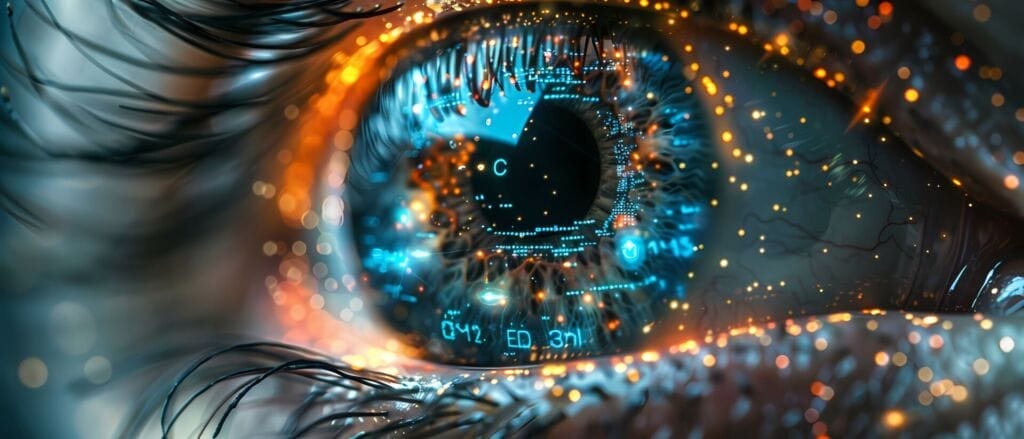
Application of AI workflows can positively impact the originality and creativity of creative work or a creative product. Using large amounts of data of images or music, or historical styles of art, an AI system would be able to come up with ideas that might take human beings years to envisage.
Artists and designers could then use these findings to develop further. Furthermore, AI workflows expand into the untranslated zones between art and design.
However, AI excels in data analysis that detects trends and patterns that might have failed to notice. Hence, creativeness is enriched with new ideas/techniques to work with. This flexibility can result in ¨novel and innovative work, which will deviate and revolutionize the arts sphere.
Increasing Output
AI workflows in so many ways enable one to create a lot more in less time. It allows managing tasks that require much time to be done. Therefore, relieves the creative mind of the artist, the designer, or the media producer much time to create and think.
For instance, digital video editing can take hours of raw footage and suggest the most suitable shots to save time for the editor. Likewise, color corrections as well as adjustment of lighting can be done by AI algorithms in a shorter time.
While post-processing in photography and film-making was time-consuming previously. That efficiency not only saves time on projects but also operational costs. Overall, it allows creative professionals to take on more projects or spend the same amount of time polishing their work.
Adopting Teamwork
It also plays a major role in boosting the efficiency of creative professionals. This is done by increasing social interaction among these people no matter the geographical location of the people involved. This makes teamwork easier as artists and designers can brainstorm ideas and have reviews of each other’s work.
In addition, AI workflows can assist as intermediaries and linkers. They can combine the participants’ inputs into wholes that are valuable to the shared efforts. It assists in keeping the vision and style constant. Especially when several people work on the projects as is the case with programming and game development or film industries.
Limitations and Concerns of Using AI Workflows in Creativity/Design
Confidentiality and Copyright AI Workflows Problems
Despite the numerous opportunities that come with using AI workflows in the creative industries, certain limitations still apply. Particularly in privacy and copyright Because AI copy systems depend on training data to learn. Thus, the content that is published, there is a possibility that the copy systems violate the copyrights.
Moreover, when AI workflows evolve to be sophisticated enough to produce realistic images, music, videos the copyright problem arises. The problem of differentiating between the AI-generated work and the original human work might lead to legal issues.
Furthermore, privacy issues emerge when certain data categories leak into the dataset using AI tools. This leads to ethical issues concerning consent to a given piece of information.
The Human Touch vs. AI Automation
Establishing AI workflows in the capacity of a tool that supplements creative endeavors is one of the most pressing issues. Although AI workflows contribute to productivity and introduce new instruments to creators some of the critics opine that. However, it cannot possess the spiritual and humane feelings and emotions that are the core of artistic and design creativity.
This goes in conjunction with a concern that a drive towards AI in art might result in standardized textures. In this one would not see the flaws and originality in AI art creativity as one sees in human-created artistic pieces.
The challenge persists in the music industry. As it seeks to utilize AI in creating music adequately is important to find the right proportion for AI workflows. Thus, AI workflows can maximize their strength while maintaining the human aspect of creating music.
Upcoming Tendencies: The Progress of AI Workflows in Creative Industries
Due to the advancements in AI workflows, this area has the potential to extend its influence to other creative fields. Thus giving rise to new inventions and approaches to working.
Hyper-personalization in Media Production
Subsequently, the AI workflows hold a promise of reshaping media production through such strategies as hyper-targeting. AI applications will be able to understand the viewer preferences to a paradigm shift. The creators will be able to change the content to fit the viewers’ preferences almost in real time.
This could bring a drastic change of paradigm in media production both in the processes and consumption. Henceforth, turning it into an individualized experience.
Collaborative AI workflows in Art and Design
Another trend expected in the near future is the realization of collaborative AI workflows. It is used in the same sense as a muse. The future AI workflows could recommend fresh ideas during the creative stage of a project.
It can help to avoid crises of inspiration and even deliver contextual feedback for the creative phase. Thus, boosting creativity from ideation to implementation.
Moral and Sustainable Strategy
Concerning sustainable design, becoming more significant nowadays and AI is predicted to consider ethical approaches. AI workflows can advise on the efficiency of utilized materials and energy during production and offer environmentally friendly material replacements. Furthermore, it can estimate the destructive effects of a particular design. Thus, the transition to sustainable practices can satisfy the demand from the population and also contribute to achieving sustainable development.
Therefore, it can be said that as AI advances within the creative industries its application seems only restricted by imagination. All in all, by employing AI-aided workflows, creativity can be amplified to existing dimensions and domains in art, design, as well as media production.
Conclusion
In conclusion, AI workflows integration into creative industries not only rationalizes processes but also has uncharted new possibilities for creativity. It has also been seen that the integration of AI workflows has made creativity more efficient. AI workflows relieve professionals of mundane tasks to help them concentrate more on creativity.
Finally, creatives should not be afraid of AI and should adapt to the new technology. As it helps them be ahead of the curve in their respective industries. The path toward creating an AI-informed creative future is only just starting. Thus, there are many interesting and radical developments to come in terms of art, design, and media production.